
By the Seed SistAs
Have you ever wondered why your body reacts with swelling, redness, or a fever when you’re injured or ill? What if the very process we often seek to suppress— inflammation—holds the key to both healing and harm? In a world where medications, like NSAIDs, are widely prescribed to quell discomfort, could we be ignoring the root causes of chronic health conditions? How do emotions, diet, and stress influence this intricate process? Read on to find out what is inflammation, its affects on our health and how to restore balance.
As herbalists, we strive to harmonise with the body’s innate balancing systems, harnessing the wisdom of plants to nurture homeostasis and embody the essence of true holism.
With a deep understanding of herbs and the human body, our role as herbalists is to discern when the body needs encouragement, repair, or re-education to restore balance when natural processes falter. Equally, we must recognise when symptomatic treatment is necessary to provide immediate relief. Beyond the physical, we also consider the emotional factors that may have contributed to a patient’s condition. This holistic approach encourages patients to explore the stresses and traumas that have shaped their health, understand how their bodies function, and grasp what might be happening beneath the surface.
Suppression
Modern medicine often takes a suppressive approach to inflammation in the name of comfort and symptom management, with non-steroidal anti-inflammatory drugs (NSAIDs), like ibuprofen and aspirin being among the most widely used pharmaceuticals worldwide. Annually, tens of millions of NSAID prescriptions are dispensed across the globe, including an estimated 70 million in the United States, 10 million in Canada, and 20 million in Britain (Wilkinson et al., 2017). But is this reliance on suppression the right approach? Should inflammation be quelled, or might there be value in understanding and even encouraging this natural process?
Inflammation is a cornerstone of the body’s immune response, critical for tissue repair and healing. However, when it becomes chronic or uncontrolled, it can silently drive numerous health conditions, including cardiovascular disease, autoimmune disorders, and cancer. In this article, we’ll delve into the dual nature of inflammation — as both a protective mechanism and a potential instigator of disease. We’ll also explore strategies for management and weigh the pros and cons of suppressing versus encouraging it.
What is Inflammation?
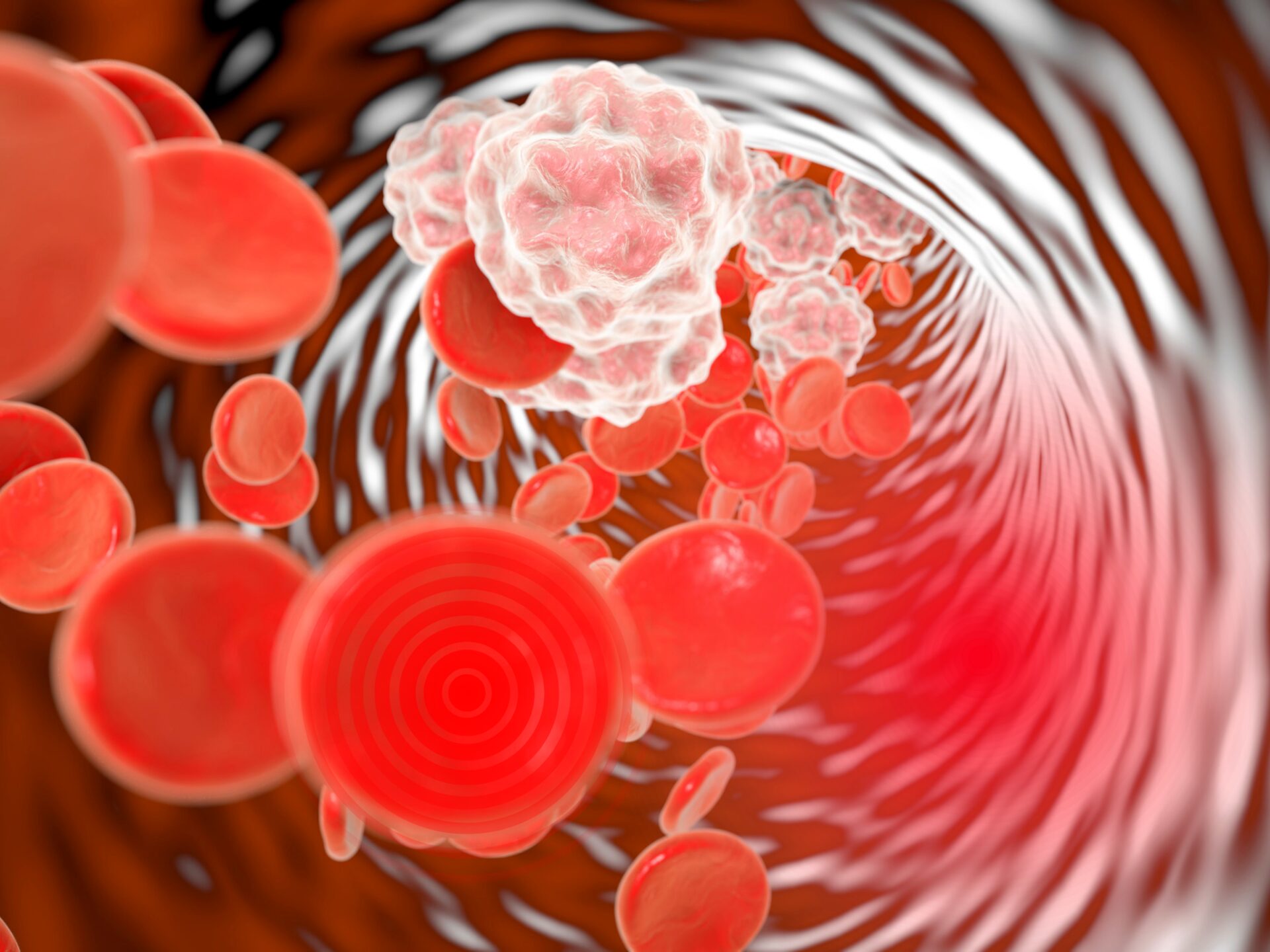
 It is the body’s natural response to injury, infection, or harmful stimuli, such as toxins or pathogens. This process involves immune cells, proteins, and signaling molecules working to eliminate the source of harm, clear out damaged cells, and initiate tissue repair. Acute inflammation is short-term and resolves when the threat is neutralised, while chronic inflammation is a prolonged and often low-grade process that may persist even in the absence of immediate danger.
Acute
This is the body’s first line of defence. For example, when you cut yourself or catch a cold, immune cells and other molecules flood the area, causing redness, swelling, and warmth as they neutralise pathogens and promote healing. This response is temporary and resolves once the problem is addressed.
Chronic
When the condition persists beyond its useful purpose, it becomes chronic, often due to ongoing infections, autoimmune disorders, or lifestyle factors, like poor diet and stress. Chronic inflammation is implicated in many conditions, including diabetes, heart disease, arthritis, Alzheimer’s and cancer. This relentless, harmful process can silently contribute to chronic health complaints, making inflammation a significant driver of disease.
The Protective Response
In its acute form, inflammation is essential for health. It helps the body:
- Activate the Immune System: Inflammation signals the immune system to respond quickly to infections.
- Facilitate Wound Healing: It promotes cell turnover, collagen production, and tissue regeneration while clearing away damaged or necrotic cells.
- Repair Tissues: It triggers mechanisms to restore cellular function and prevent further injury.
Herbal Support 

In cases, like fevers caused by colds or infections, herbalists work with the process to support the body. Warming herbs, such as ginger combined with diaphoretics like yarrow, encourage sweating, helping eliminate pathogens. Herbs with antimicrobial properties further bolster the immune system without suppressing its natural processes.
Inflammation as a Foe: The Silent Driver of Chronic Disease
Chronic inflammation, on the other hand, can lead to numerous health challenges:
- Cardiovascular Disease: It contributes to atherosclerosis, increasing the risk of heart attacks and strokes.
- Autoimmune Disorders: Conditions, like rheumatoid arthritis and lupus, arise from the immune system attacking healthy tissues.
- Cancer: Chronic inflammation can promote an environment conducive to cancer growth.
- Neurodegenerative Diseases: Ongoing brain inflammation may contribute to diseases, like Alzheimer’s and Parkinson’s.
- Metabolic Disorders: It impairs insulin regulation, leading to obesity and Type 2 Diabetes.
- Gut Health: Chronic inflammation in the digestive tract, as seen in Crohn’s disease or ulcerative colitis, causes long-term complications.
 To Suppress or Encourage?
 To Suppress or Encourage?
Managing inflammation requires a nuanced approach. While pharmaceutical medications, like NSAIDs, can offer temporary relief, they often fail to address the root cause. Long-term use may suppress symptoms but lead to side effects, such as weakened immunity, osteoporosis, and rebound the condition when discontinued.
Alternatively, herbal and holistic approaches focus on addressing underlying causes, such as stress and diet, while supporting the body’s natural healing processes. Restorative practices and stress management are vital components of this approach.
Encouraging Inflammation for Healing
In certain contexts, mild, controlled heat and swelling can aid recovery. For example:
- Tissue Repair: during injury helps heal damaged tissue.
- Exercise: Temporarily from moderate exercise strengthens muscles and cardiovascular health.
- Immune Activation: Encouraging a healthy immune response supports the body in returning to health after an infection.
How to Strike a Balance
Managing inflammation involves supporting the body’s natural responses without tipping into chronic, harmful states. Key strategies include:
- Diet: Emphasise anti-inflammatory foods, like fruits, vegetables, omega-3s, and whole grains while avoiding processed foods.
- Exercise: Engage in regular, moderate physical activity.
- Sleep: Prioritise 7–9 hours of restorative sleep.
- Stress Management: Practice mindfulness, meditation or yoga to reduce chronic stress.
- Herbs: Anti-inflammatory herbs, like meadowsweet, turmeric and chamomile, can support the process naturally.
- Supplements: Omega-3 fatty acids and other targeted nutrients help regulate inflammation.
A double-edged sword
When properly regulated, it helps the body heal and defend itself, but chronic inflammation can drive disease. The key to optimal health lies in striking the right balance — supporting the beneficial aspects of inflammation while addressing its root causes. With a holistic approach that includes diet, exercise, stress management and herbal remedies, we can harness the body’s natural processes for long-term wellness.
These blog articles are herbal education resources, produced by the Seed Sistas. Gain insights and join us in the evolution of healthcare, please do leave a comment or question. Wellbeing empowerment for all…


Really informative. Thanks..
Thank you for this. I am a keen user of herbs and homeopathy plus the odd Ayurvedic prep. I am really in the last few years questioning this old paradigm of so many held belief’s. Inflammation as you wrote is about allowing our bodies to return to balance. The below list I have some questions.
Cardiovascular Disease: It contributes to atherosclerosis, increasing the risk of heart attacks and strokes. ………Does it ? or is it the story of the mitochondria cannot release the build up of lactic like other muscle which can rest otherwise we would see a spleen attack or a liver attack. It just doesn’t make sense. I have studied this at length so has Dr Tom Cowan which I’m leaning more to re his book the Cosmic heart
Autoimmune Disorders: Conditions, like rheumatoid arthritis and lupus, arise from the immune system attacking healthy tissues……….again I’m not feeling that the body is attacking itself. Can it be that the toxins are not released though our bodies system re wee it out, poo it out, sweat it out I may have missed one. Again the new biology that is making ground in America and here in some areas in the UK disputes this label which is all it is.
Cancer: Chronic inflammation can promote an environment conducive to cancer growth…….. Again inflammation or toxins are placed in cells re structured water and pushed to the edge of major organs including the skin ….other wise again you would see it show up in the blood traveling around our bodies and it never been seen in blood vessels
Neurodegenerative Diseases: Ongoing brain inflammation may contribute to diseases, like Alzheimer’s and Parkinson’s……… In Ayurveda it’s seen as an out of balance vata energy. I do see that a lot in some of my clients but again it the body not listened to and that energy working deeper into nerve tissue.
Metabolic Disorders: It impairs insulin regulation, leading to obesity and Type 2 Diabetes. Again the body trying to re balance
Gut Health: Chronic inflammation in the digestive tract, as seen in Crohn’s disease or ulcerative colitis, causes long-term complications. Yep again balance
i may be totally wrong but I’m feeling we need a new story we need to be questioning the old paradigm, or at least debate it.
Herbs are the answer to our remembering and as a biodynamic grower they carry the answer, one we really are just opening up too. I hope you too question and blaze the trail for the UK. We need a new story or at least as I wrote a debate. Apologies this comment is so long, thanks for getting this far all the best